
If you've ever felt that sticky, heavy air in your home, you know it's more than just uncomfortable. It's a clear sign that your indoor humidity is too high. Learning how to reduce indoor humidity is all about a few simple but powerful tricks—like improving airflow, using a dehumidifier, and finding where the moisture is coming from. Taking these steps can make your home a healthier and more pleasant place to live.
Why a Damp Home Is More Than Just Uncomfortable
That stuffy, clammy feeling isn't just in your head. When moisture levels get too high, your home can become a breeding ground for problems. These problems can harm your health and even the house itself. It’s a sure sign that your indoor air needs some attention.
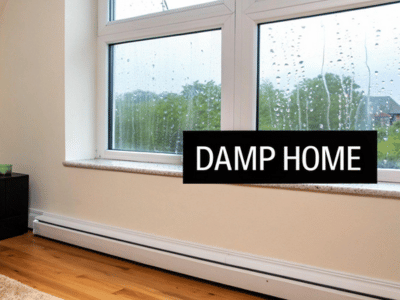
Often, the signs of too much moisture are right in front of you. You might see water droplets fogging up the inside of your windows. You might smell a musty odor in the basement or see dark mold spots growing in damp corners like the bathroom.
The Sweet Spot for Healthy Air
Now, the goal isn't to make your home's air completely dry. A little moisture in the air is good for your comfort and health. The trick is to stay in the "sweet spot."
Experts Agree
Experts agree: the best range for indoor humidity is between 40% and 60%. This balance keeps the air from feeling too dry or too damp, creating an environment that’s just right.Keeping your home in this range is more important than you might think. A 2022 study from MIT found that keeping indoor humidity between 40% and 60% helped stop the spread of sicknesses like the flu. This shows that managing your home’s air is a key part of staying healthy.
What Happens When Humidity Is Unbalanced
When humidity levels go outside that ideal range, you'll start to notice and feel the bad effects. Knowing what different levels feel like can help you find a problem before it gets worse. Taking control of your home's air is a key part of our indoor air quality services.
Quick Guide to Home Humidity Levels
Here's a simple chart to show you what different humidity levels mean for your home.
| Humidity Level | What It Feels Like | Possible Problems |
|---|---|---|
| Below 40% | Dry, static shocks | Below 40% Dry, static shocks Dry skin, scratchy throat, germs spread more easily |
| 40% - 60% (Ideal) | Comfortable and fresh | Healthiest range for breathing and comfort |
| Above 60% | Sticky, damp, stuffy | Mold, dust mites, musty smells, peeling paint |
This table makes it easy to see why that 40% to 60% range is so important. If it's too low or too high, it can cause problems you'd rather avoid.
This guide will show you simple, practical ways to get your home back into that ideal range, starting with changes you can make today.

Using Airflow to Push Out Dampness
One of the smartest ways to deal with indoor humidity is to get the air moving. When air sits still, moisture builds up. This creates that heavy, damp feeling nobody likes. By improving the airflow in your home, you can push that moist air out and bring fresh, drier air in.
This doesn't always mean you need to buy expensive new machines. Often, it’s about creating better habits, especially in the places that make the most moisture: the kitchen and bathroom. Think of these areas as the main source of steam and humidity.
Target High-Moisture Zones
It's amazing how much water our daily routines can put into the air. A hot shower or boiling a pot of pasta can make a room's humidity level shoot up. If you don't deal with that moisture right away, it will spread.
This is where your exhaust fans become your best friends. They are made to pull damp air directly outside before it can settle in your home.
The 20-Minute Rule
A great rule for bathrooms is the 20-minute rule. Make sure you run your exhaust fan during every shower or bath. Just as important, keep it running for at least 20 minutes after you’re done. This one small habit makes sure all that leftover steam gets completely removed.The same idea works for the kitchen. Anytime you're cooking—especially boiling or steaming—turn on the fan over your stove. It does a great job of pulling greasy, moist air out of the room. This stops it from making your whole house feel muggy. These are simple habits that cost nothing and make a huge difference in your home’s comfort.
Create Your Own Breeze
Besides using fans, you can use natural airflow to keep things dry. On days when the outside air isn't too humid, open windows on opposite sides of your house. This creates a wonderful cross-breeze. It's one of the best ways to flush out stale, damp air and replace it with fresh air from outside.
Ceiling fans are another great tool. While they don't remove moisture from the air, they keep it moving. This constant movement is important because it stops dampness from settling on walls and furniture where mold could grow. Running fans counter-clockwise in the summer also creates a nice cooling breeze.
Good airflow is also linked to a healthy HVAC system. Your air conditioner naturally pulls some humidity from the air as it cools your home. But it can't work well if your air ducts are leaky. Learning about the benefits of duct sealing can show you how a well-kept system helps make your home drier and more comfortable. When you use all these airflow tricks together, you're taking a big step toward controlling your indoor air.
Getting the Most Out of a Dehumidifier
When opening a window isn't enough, a dehumidifier is your best tool against dampness. These machines are designed to pull extra moisture right out of the air. But just plugging one in isn't enough. To really lower your indoor humidity, you have to use it in a smart way.
Think of a dehumidifier as the strongest player on your team. It’s very important for naturally damp spots like basements, laundry rooms, or bathrooms without good airflow. Using your dehumidifier correctly will make a huge difference in your home’s comfort and air quality.
Choosing the Right Size and Placement
First, you need a dehumidifier that fits your space. They are rated by how many pints of moisture they can remove from the air in 24 hours. A small 30-pint model might work for a bedroom. But a big, damp basement could need a 50-pint or even a 70-pint unit. If the machine is too small, it will run all the time and never get the humidity under control.
Once you have the right size, where you put it is very important. A dehumidifier needs space to work.
- Avoid corners: Give the machine at least six inches of space from walls and furniture. This lets air flow freely into and out of the machine.
- Go to the source: If the basement is the main problem, that’s where the dehumidifier should be. For general humidity throughout the house, a central spot on your main floor is a good choice.
- Seal the area: Close the doors and windows in the room where it's running. You want it to work on the air inside the room, not try to dry out the whole neighborhood. This makes it work much better.
Setting and Maintaining Your Machine
The goal is to get the humidity into that sweet spot: between 40% and 60%. Luckily, most new dehumidifiers have a built-in tool that lets you set your target level. Setting it to around 50% is usually perfect. The machine will then turn on and off as needed, which saves a lot of energy.
Keep it Clean
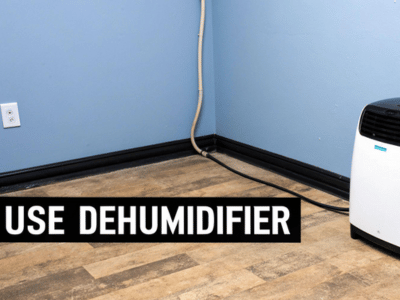
Keeping your dehumidifier clean is the key to making it work its best. A dirty machine not only works poorly but can also waste a lot of electricity.A little care goes a long way. You'll need to empty the water bucket often, sometimes every day when it's very humid outside. Many models also have a spot to attach a hose, which lets the water drain out on its own. This is a great feature that lets you set it and forget it.
Most importantly, clean the filter. A filter clogged with dust makes the machine work harder. This raises your energy bill and makes it less effective. Try to check it every couple of weeks. A quick wash with soap and water is all it takes to keep the air flowing and your machine working well.
This is about more than just comfort. A 2022 study from the National Renewable Energy Laboratory (NREL) found that the energy used for dehumidifying buildings in the U.S. creates 599 million tons of greenhouse gases each year. That’s even more than the 531 million tons from heating and cooling. This shows that using your dehumidifier well can make a real difference for the environment.
Everyday Habits That Lower Humidity
Besides big things like dehumidifiers and fans, the small choices you make every day can have a big effect on your home's moisture levels.
It’s easy to add moisture to our homes without even knowing it. But small changes to your daily routines can make a huge difference in your fight against indoor humidity.
For example, your kitchen is a major source of steam. When you boil pasta or let a soup simmer, all that water vapor goes into the air, making the room feel stuffy. An easy fix? Just cover your pots and pans with lids while cooking. This simple step traps a lot of steam, keeping it from raising the humidity in your home.
Rethink Your Laundry Routine
Another common cause of humidity is drying laundry indoors. Hanging wet clothes on an indoor rack might seem easy, but it releases a huge amount of water into the air.
In fact, one load of laundry can release more than two liters of water. This can turn your living room into a temporary sauna.
Whenever you can, dry your clothes outside on a line. If you can't, make sure you're using a clothes dryer that has a vent connected to the outside. This sends all that moisture straight outdoors where it belongs.
Key Takeaway
Not drying clothes inside is one of the best habits you can start. The large amount of water from wet laundry makes it a top cause of high indoor humidity.Manage Your Houseplants
Your leafy plants bring life and color to your home, but they also add to indoor humidity. They release water vapor through their leaves. While a few plants won't cause trouble, a large collection in a small room with poor airflow can raise moisture levels.
You don't need to get rid of your plants, but managing them can help.
- Group them together. Putting plants in a cluster can create a small humid area just around them, instead of raising it for the whole room.
- Make sure they drain well. Don't let your plants sit in trays full of water. This is bad for the plant and also adds standing water that will evaporate into the air.
- Wipe down the leaves. Dust can slow down the plant's breathing process. A gentle wipe now and then keeps them healthy.
By thinking about these everyday activities—from cooking and laundry to plant care—you gain more control over your home's air. These small changes all work together to make your home drier and more comfortable. This makes the question of how to reduce indoor humidity much easier to answer.
Finding and Fixing Hidden Moisture Leaks
So you’ve tried to improve your airflow and you have a dehumidifier running, but the air in your house still feels damp. What's going on?
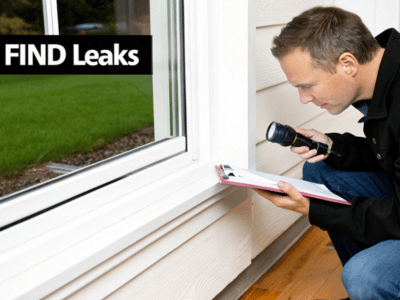
When the usual fixes don't work, it's time to be a detective. The real problem might be a hidden leak somewhere that is constantly adding moisture to your home. Finding and fixing these sneaky water sources is the only way to really learn how to reduce indoor humidity for good.
We're not always talking about a big flood. These problems can be small—a tiny crack around a window or a slow drip under a sink that you don't notice. But they add up. They create a damp feeling that leads to musty smells, peeling paint, and even serious damage to your house over time.
Checking for Sneaky Air Leaks
Humid air from outside loves to get indoors through tiny gaps around your windows and doors. An easy way to find them is to feel for drafts with your hand on a windy day. Sealing these small openings is a simple but very effective way to keep that unwanted moisture out.
- Weatherstripping: Get some self-stick foam or rubber stripping and put it around the frames of your doors and windows. This creates a much tighter seal.
- Caulking: Use a tube of caulk to fill any clear gaps between your window or door frames and the walls. It’s a cheap fix that makes a big difference.
Bonus: Sealing these air leaks doesn't just lower humidity. It also makes your home more energy-efficient, which means lower heating and cooling bills.
Making Sure Water Flows Away
This is a big one that many homeowners forget. Look at the ground around your house's foundation. Does the dirt slope towards your house? If it does, rainwater will collect against your foundation. It will eventually seep into your basement or crawl space. This is a common cause of high humidity in the lower levels of a home.
The ground should slope away from your house for at least five feet. This slope is key for moving water away from your foundation, not into it.
Pro Tip: Check Your Gutters
While you’re outside, check your gutters. Make sure they’re clean and that your downspouts carry water several feet away from the foundation. Clogged gutters will just dump water right next to your house, which causes problems.It might not seem connected to your indoor air, but proper drainage is one of the most important steps in controlling moisture.
Hunting for Plumbing Drips
Even the tiniest water leak can quietly add a surprising amount of moisture to the air. That slow drip under the bathroom sink or behind the toilet can go unnoticed for weeks. It creates a damp, musty space that mold loves.
Make it a habit to check these common trouble spots:
- Under every sink in your kitchen and bathrooms.
- Around the base of all your toilets.
- Near your water heater and washing machine hoses.
Look for water stains, damp spots, or that musty smell. Catching a small leak early will save you from a lot of trouble, preventing both water damage and a stubborn humidity problem.
It really comes down to this: while good airflow helps, you have to stop moisture at its source. An international study in 2023 found that many buildings struggle to keep healthy humidity levels, even with good ventilation systems. You can read more about these humidity control challenges in temperate climates and see why it’s so important to find and fix those leaks first.
Common Questions About Home Humidity
Even after you've started to fix the dampness in your home, you might still have a few questions. Let's go over some of the most common ones we hear from homeowners learning how to reduce indoor humidity.
Think of this as a quick guide to help you handle certain situations and feel more sure about your plan.
What Is the Fastest Way to Reduce Humidity?
When you need to dry out a room quickly, the best way is to use two things at once: run both an air conditioner and a dehumidifier. The AC cools the air, which makes it much easier for the dehumidifier to pull out the extra moisture. It’s a powerful team.
If the air outside is cool and dry, you can also open the windows to get a nice cross-breeze. For kitchens and bathrooms, the fastest way is always to turn on the exhaust fan to send steam outside as soon as you make it.
Can My House Be Humid in the Winter?
Yes, it can. It seems strange when the air outside is so cold and dry, but winter humidity is a common problem.
All those daily activities—cooking, taking hot showers, even breathing—release moisture into your indoor air. In newer homes that are well-sealed, that moisture has nowhere to go. It gets trapped, which is why you often see water droplets on the inside of your windows. This is exactly why running your ventilation fans is important all year, not just in the summer.
Does Opening Windows Help with Humidity?
Opening your windows can be a great, free way to lower humidity, but only if the weather is right. It all depends on what's happening outside.
Key Takeaway
While you’re outside, check your gutters. Make sure they’re clean and that your downspouts carry water several feet away from the foundation. Clogged gutters will just dump water right next to your house, which causes problems.Opening the windows on a humid day will just invite more moisture inside, making your problem worse. You want to trade your damp indoor air for drier outdoor air. A quick step outside is all you need to know if it's a good day to air out the house.
How Can I Spot High Humidity Without a Tool?
You don't always need a special tool to know your home is too damp. Your house will give you plenty of signs if you pay attention.
Keep an eye out for these classic signs:
- Foggy Windows: Water droplets on the inside of your windows is the number one sign of too much moisture in the air.
- Musty Smells: A lasting musty odor, especially in basements or bathrooms, is a clear sign of a humidity problem.
- Visible Mold: Seeing dark spots on walls, ceilings, or in corners is a red flag that needs to be fixed right away.
- Peeling Paint or Wallpaper: When moisture gets into your walls, it can cause paint and wallpaper to bubble or peel.
- A Clammy Feeling: If the air just feels heavy and sticky, or things feel slightly damp, your humidity is almost certainly above the ideal 60% level.
Trust your senses. If your home smells or feels damp, it probably is. Catching these signs early lets you take action before a small issue becomes a much bigger, more expensive problem.
Engle Services offers professional solutions for all your Heating, Cooling, and Indoor Air Quality needs in Sylacauga, Talladega, Birmingham, Shelby County (Hoover, Chelsea), Alabaster, Pell City, Dadeville, Wetumpka, Montgomery, Fort Walton Beach, FL
 Ready to schedule with our team of HVAC Technicians, Electricians, and Plumbers?
Schedule an appointment online or give us a call at (855) GET-ENGLE
Ready to schedule with our team of HVAC Technicians, Electricians, and Plumbers?
Schedule an appointment online or give us a call at (855) GET-ENGLE