
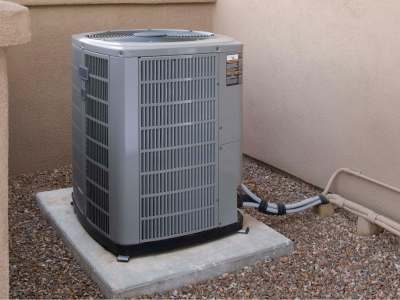
It's a bad feeling when you notice the house is getting warm and the AC is silent. When your air conditioner won't start, it can feel like a big problem. But often, the fix is simple and doesn't need a professional.
Before you panic, a few minutes of checking can save you money on a service call. These first steps help rule out common mistakes. Think of it like a quick check-up for your cooling system. We’ll start with the thermostat and then look at the power source.
Your First Steps When the AC Wont Start
Before you pick up the phone, a quick five-minute check can often solve the problem. The cause is often a simple settings mistake or a tripped circuit breaker.
To help you out, we've made a quick checklist. Go through these common trouble spots first. It might be all you need to get the cool air flowing again.
Quick Troubleshooting Checklist
| Symptom | Potential Cause | Easy Action to Take |
|---|---|---|
| AC unit is completely silent | Wrong thermostat settings | Check that the thermostat is set to "Cool" and the temperature is below the room's current temp. |
| No power to the entire system | Tripped circuit breaker | Find your electrical panel and check for a tripped breaker. Reset it carefully. |
| Fan runs but no cool air | Dirty air filter | A clogged filter can block airflow and cause the system to shut down. Check and replace it if needed. |
| Outdoor unit makes a clicking sound | Bad capacitor or contactor | This is a sign of an electrical problem in the unit. It's time to call a professional. |
This table covers the most common issues we see. If you've tried these checks and are still having trouble, it's time to look a little deeper.
Check Your Thermostat Settings
It sounds too simple, but you'd be surprised how many service calls are because the thermostat was set wrong. Someone in the house might have bumped it or changed the settings by accident.
Here’s what to look for:
- Is it set to "Cool"? Make sure the system mode is on "Cool" and not "Heat," "Fan," or "Off."
- Is the temperature low enough? The set temperature needs to be a few degrees below the current room temperature. This tells the AC to turn on.
- Is the fan set to "Auto"? If the fan is set to "On," it will run all the time, even when the AC isn't cooling. This can trick you into thinking the system is working. "Auto" is the correct setting, so the fan only runs when the AC is cooling.
Investigate the Circuit Breaker
If the thermostat settings are correct, your next stop is your home's electrical panel. Your AC system is a powerful machine that uses its own high-voltage circuits. A power surge or too much electricity being used can cause a breaker to trip. This cuts power to the unit to keep it safe.
After checking the thermostat, the next step is to check the breaker. Do this before you start worrying about other parts like air filters or capacitors.
Look for a breaker switch that is in the "Off" position or stuck in the middle. If you find one, it needs to be reset. To learn how to do this safely, check out our guide on how to reset a circuit breaker.
A tripped breaker is doing its job by protecting your system. If it trips again right after you reset it, that’s a clear sign of a bigger electrical problem. Don't keep resetting it. This needs a professional's help.
Industry Reports Show
Industry reports show that about 30% of all HVAC service calls are for air conditioners that won't start. The average cost for these emergency repairs is often between $150 and $400. Following these simple checks first can help you avoid being part of that group.Checking Inside and Outside Your AC Unit
So, checking the thermostat and breaker didn't work. Now it’s time to look at the AC equipment itself. Don't worry, you can still do this yourself.
Many of the most common AC problems are caused by simple blockages you can find and fix without any special tools. Let’s start inside.
First, Check the Air Filter
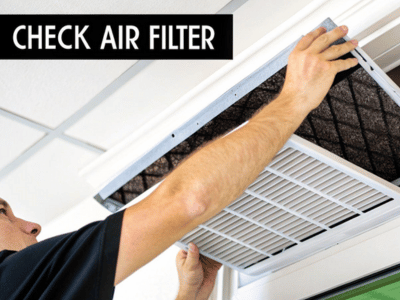
It may seem too simple, but a forgotten air filter often causes an AC to stop running. Think of the filter as your system's lungs—if it's clogged, it can't breathe.
When dust, pet hair, and other dirt block the filter, your system has to work harder to pull air through. This strain can make it overheat and shut down for safety. In a bad case, the lack of airflow can cause the indoor coils to freeze into a block of ice. Modern systems have sensors that will turn off the power to prevent major damage.
Checking it is easy:
- Find it: The filter is usually in a slot near your indoor furnace or air handler. Sometimes it's behind a large return air vent in a wall or ceiling.
- Inspect it: Slide it out and hold it up to a light. If it's covered in gray dust and you can't see light through it, you've found your problem.
- Replace it correctly: Get a new filter of the same size (the size is printed on the cardboard frame). When you slide the new one in, make sure the arrow on the side points toward the furnace, in the same direction as the airflow.
Next, Inspect the Outdoor Condenser Unit
Okay, let's go outside to that big metal box with the fan on top. That’s your condenser. Its job is to move all the heat from inside your house to the outside. To do that, it needs to have clear space around it.
Overgrown bushes, weeds, a thick layer of pollen, or even grass clippings can block the metal fins on the sides. When that happens, the unit can't get rid of heat, so it overheats and turns off.
As a general rule, you should always keep at least two feet of clear space all the way around the unit.
Take a quick walk around your condenser. Trim back any bushes or weeds that are too close. You can gently spray the fins with a regular garden hose—never a pressure washer!—to wash away dirt. Sometimes, this simple cleanup is all it takes to get things running again
Finally, Look at the Condensate Drain Line
Your AC does more than just cool; it also removes moisture from the air. All that water has to go somewhere. It travels through a PVC pipe called the condensate drain line.
Over time, this drain line can get clogged with gunk. Most systems today have a safety tool called a float switch in the line. If water backs up from a clog, the float rises and trips the switch. This cuts power to the whole AC system to prevent water damage.
Finding and clearing this clog can bring your system back to life. Look for the PVC pipe coming out of your indoor unit. If you see any standing water in or around it, that’s a clear sign of a clog.
Common AC Parts That Can Fail
When the simple fixes don't work, the problem is usually a broken part inside the system. You won’t be fixing these parts yourself, but knowing what they are helps you understand what's wrong when you talk to a technician.
Knowing a little about these parts can help you have a better conversation with a repair person. You'll be able to understand the repair and what the cost might be.
The Overworked Capacitor
One of the most common parts to fail in an AC unit is the capacitor. You can think of it as a small battery. It gives the compressor and fan motors a strong jolt to get started and keep running. After years of use, summer heat and normal wear cause these capacitors to get weak and fail.
A failing capacitor often gives a clear warning. If your outdoor unit is making a humming or buzzing sound but the fan isn't spinning, a bad capacitor is probably the cause. It’s trying to start the motor but doesn't have enough power.
Signs of a Failing Fan Motor
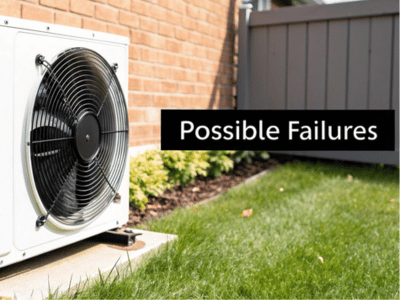
That big fan in your outdoor unit is very important for pushing heat away from your home. If this fan motor dies, your system will quickly overheat and shut down to prevent more damage. Sometimes, the motor just stops working with no warning.
Other times, it will show signs of trouble first. You might notice the fan blades are spinning much slower than normal. You might also hear a rattling or grinding noise. If you think the fan motor is the issue, you can learn more about how to diagnose a bad AC fan motor in our detailed guide.
Important Takeaway
Both capacitors and fan motors use high-voltage electricity. These are not DIY repairs. For your own safety, you should always let a certified HVAC professional replace these parts.Symptoms of a Refrigerant Leak
Refrigerant is the special liquid in your air conditioner. It’s what soaks up heat from inside your house and releases it outside. If the refrigerant level gets too low because of a leak, your system can't cool well and will stop working.
Here are the clear signs of a possible refrigerant problem:
- Ice on the Copper Lines: Seeing ice or frost on the copper pipes connected to your outdoor unit is a common sign of low refrigerant.
- Hissing Sounds: You might hear a soft hissing or bubbling noise near the unit. This is a sign that refrigerant is leaking out.
- Weak Airflow: The air coming from your vents might feel much warmer or weaker than it should.
Refrigerant Leaks are Serious Problem
A refrigerant leak is a serious problem. It needs a professional to find the leak, fix it, and then safely add more refrigerant to the system.Knowing When to Call a Professional Technician
Even if we want to fix things ourselves, there's a time when you need to stop. With an air conditioner, that time is usually when things get risky. Some problems are big red flags that you’re dealing with something serious. These issues need special tools and years of training to fix. Trying to handle these warning signs can turn a simple repair into a huge expense, or worse, create a real danger in your home.
The most serious signs are the ones you see, smell, or hear. If you notice any of these, your first step should be to turn off the power to your AC at the breaker box and call for help. These aren't small problems. They often point to bad electrical issues or major broken parts that are not safe for a homeowner to fix.
Unmistakable Signs of a Serious Problem
Some problems are too difficult and dangerous for a DIY fix. Learning to spot these signs can protect your system, your home, and your family. If you see, hear, or smell any of these, you need an expert right away.
- Burning Smells: A smell like burning plastic, wires, or even "gunpowder" is a clear sign of a big electrical problem. It could be a shorted-out motor or melting wires. Don't ignore it.
- Loud, Unusual Noises: Your AC makes noise, but it should never sound like it's falling apart. Loud grinding, screeching, or banging often means a part inside has broken.
- Visible Smoke: This is an emergency. Smoke coming from any part of your HVAC system means something is getting hot enough to burn. Shut off all power right away.
A Complex Machine
Your air conditioner is a complex machine. Ignoring serious warning signs can turn a simple repair into a full system replacement. Calling a technician is the smart choice to protect your AC and make sure the job is done safely.Leave These Repairs to the Experts
Besides those emergency signs, some parts of your AC system should only be touched by a licensed professional. These parts are risky and require special knowledge. For example, if you think you have a refrigerant problem, you can't just add more yourself like putting oil in a car. Refrigerant is a controlled chemical, and you need a special license to handle it safely and legally.
The same is true for anything involving the main electrical parts. These are jobs for a pro, always.
- Replacing a Capacitor: These small parts hold a powerful electrical charge, even after the power is off. A mistake here can give you a bad shock.
- Wiring Issues: Bad wiring is not just a repair issue; it's a major fire risk.
- Compressor Problems: The compressor is the "heart" of your AC system. It is sealed and not meant to be fixed by homeowners.
It's also good to remember that the age of your system matters. Data shows that air conditioners older than 10 years are 2.5 times more likely to fail completely. You can find more insights about air conditioner market trends and system longevity online. When an older unit breaks down, it's often because a major part has worn out. This makes getting a professional's opinion even more important.
Simple Habits to Prevent AC Breakdowns
The best way to deal with an AC problem is to stop it from happening. A little bit of care goes a long way. It reduces stress on your system, helps it run better, and lets you find small issues before they become big, expensive problems.
Think of it as spending a little time now to keep your home cool and comfortable all summer. These simple habits are easy for any homeowner to do. You don't need special tools or skills.
Master the Air Filter Change
If you only do one thing, do this. A dirty air filter causes many AC failures. It slowly chokes your system, making it work harder until it overheats or freezes up. Forgetting to change it is like trying to run a race while breathing through a straw.
So, how often should you change it? The old "every 90 days" rule isn't enough for most homes today.
- No pets or allergies? Check it monthly, but you can probably change it every 60-90 days.
- Have one pet? You should change the filter more often, usually every 45-60 days
- Multiple pets or family with allergies? Make it a habit to change it every 20-45 days.
Pro Tip
Set a reminder on your phone for the first of every month. It’s a simple trick that makes it hard to forget this important task.Keep the Outdoor Unit Clean and Clear
Your outdoor condenser unit needs to breathe. Its job is to release the heat it has pulled from your home. It can't do that if it's covered in dirt or blocked by clutter.
Each spring, before it gets really hot, take a few minutes to clean the unit. Trim back any bushes, weeds, or tall grass. Give it at least two feet of clear space on all sides.
Next, turn off the power to the unit at the breaker box. Then, use a garden hose to gently rinse the fins. This washes away dust, pollen, and leaves. This simple cleaning can make it work much better.
Heat waves cause a lot of stress on AC systems. During recent hot weather, HVAC companies saw a 50% increase in emergency calls for units that wouldn't start. This shows how important a little maintenance is to keep your system working when you need it most.
These simple habits are the key to good HVAC health. By taking these small steps, you are helping to prevent the problems that lead to breakdowns. For a closer look at what you can do, check out our guide on preventing costly HVAC problems at home.
Got Questions About Your AC? We’ve Got Answers.
When your air conditioner stops working on a hot Alabama day, you start to worry. What’s wrong? Is this a quick fix or a big problem? We hear these questions all the time, so let’s talk about some of the most common issues we see.
"Why Is My Inside Fan Running, but the AC Unit Outside Is Off?"
This is a very common problem. You feel air coming from your vents, but it’s not cold. What's happening?
This tells us a lot. Your indoor unit and your outdoor unit are on different electrical circuits. If the inside fan is blowing, we know the thermostat is working and the indoor system has power. The problem is almost always outside.
The real cooling happens in the outdoor unit. The issue could be as simple as a tripped breaker for that unit. It could also be a failed capacitor—a small part that helps the motors start—or a broken fan motor. Always check the second breaker for the outdoor unit before you worry about bigger repairs.
"Can a Dirty Filter Really Shut Down My Whole System?"
Yes, it definitely can. It's one of the most common—and missed—reasons an AC system stops running. A filter that’s full of dust and dirt basically chokes your system.
Think of It Like This
Think of it like this: when the airflow is blocked, the cold coil inside can't move cold air. The water that normally drips away freezes solid, turning the coil into a block of ice. Modern ACs have safety sensors that see this problem and shut everything down to protect the compressor, which is the most expensive part.So, that filter you forgot to change isn't just bad for your air quality; it can stop your entire AC from working.
"What's It Going to Cost to Fix My AC That Won't Turn On?"
This is the big question, and the answer depends on what is causing the problem. The good news is that many common fixes are cheaper than you might think.
Here’s a general idea of what you might have to pay:
- DIY Fixes ($0): If the problem is just a tripped breaker, a clogged drain line you can clear, or a wrong thermostat setting, your only cost is your time.
- Minor Pro Repair ($150 - $350): This is the usual range for a service call where a technician replaces a common part like a bad capacitor. The part itself isn't expensive; you're mostly paying for the technician's time and skill.
- Major Part Replacement ($400 - $700+): If a bigger part like the outdoor fan motor has failed, the cost goes up. This price range covers the more expensive part and the extra time it takes to install it.
These are just estimates. The final price depends on your AC model, the exact parts needed, and labor costs. Getting a clear price from a professional is always the best first step.
Engle Services offers professional AC Repair and AC Installation in Sylacauga, Talladega, Birmingham, Shelby County (Hoover, Chelsea), Alabaster, Pell City, Dadeville, Wetumpka, Montgomery, Fort Walton Beach, FL
 Ready to schedule with our team of HVAC Technicians, Electricians, and Plumbers?
Schedule an appointment online or give us a call at (855) GET-ENGLE
Ready to schedule with our team of HVAC Technicians, Electricians, and Plumbers?
Schedule an appointment online or give us a call at (855) GET-ENGLE