
By Lewis Engle, Engle Services Heating & Air - Electrical - Plumbing
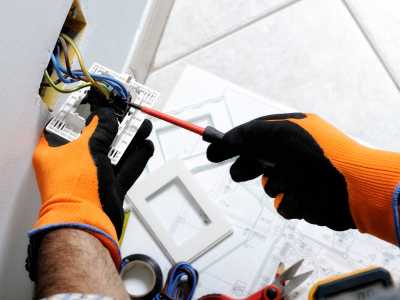
Electrical services play a crucial role in ensuring safety and optimal functionality in both residential and commercial environments. Understanding the significance of hiring licensed electricians can help you prevent potential hazards commonly associated with electrical work. This comprehensive guide will explore the importance of safety standards, common electrical risks, best hiring practices, essential inspections, panel upgrades, and troubleshooting techniques.
By gaining this knowledge, you will be empowered to make well-informed decisions regarding your electrical needs. For immediate assistance, consider scheduling an appointment with a trusted professional to ensure your systems meet current safety and performance standards.
Importance of Safety Standards
Safety standards form the foundation of the electrical services industry, designed to protect both workers and property. Licensed electricians undergo extensive training and rigorous certification processes that verify their knowledge of electrical codes, regulations, and safety procedures. Licensing serves as a formal guarantee that the electrician has met stringent competency requirements, promoting safe and code-compliant electrical work. Recognizing these standards enables homeowners and business owners to have confidence in all electrical installations and repairs.

Why Choose Engle Services:
- ✅ NATE-Certified HVAC technicians
- ✅ 25 Years in Business
- ✅ Rheem Pro Partner and Carrier authorized dealer
- ✅ Licensed, insured, and BBB accredited A+
- ✅ Flexible financing options available
- ✅ Serving Central Alabama and Fort Walton Beach, Florida
Potential Hazards
Improper or unlicensed electrical work can lead to serious hazards that jeopardize lives and property. Common dangers include:
- Risk of Electrical Fires: Faulty wiring or overloaded circuits frequently cause electrical fires; proper workmanship is essential to prevent these devastating incidents.
- Potential for Electrocution: Attempting electrical work without professional expertise can result in severe injury or fatality due to electrical shock.
- Property Damage Issues: Poorly performed electrical installations may damage appliances, wiring, and structures, leading to costly repairs and increased risk.
Understanding these potential hazards highlights why employing licensed electricians is vital for safety.
Best Practices for Electrical Services
Ensuring safe and reliable electrical services requires following best practices in hiring and maintenance. Key recommendations include:
- Verify Credentials: Confirm that the electrician holds a valid state license and carries relevant insurance policies.
- Request References: Obtain recommendations from previous customers and research online reviews to assess reputation and service quality.
- Schedule Regular Inspections: Conduct routine electrical safety inspections to stay compliant with codes and identify issues proactively.
Adopting these practices contributes significantly to the longevity and safety of your electrical systems. Professional electrical services are available to support your needs.
How to Verify Licensed Electricians for Safe Electrical Services?
When selecting an electrician, thorough verification of their credentials is essential. Follow these steps:
- Check the validity of their state-issued licenses and confirm appropriate insurance coverage.
- Ask for and contact previous client references to evaluate workmanship and professionalism.
- Review reputable online platforms to read feedback about their services.
These measures safeguard your property by ensuring you hire qualified, trustworthy professionals.
What Credentials Confirm a Licensed and Insured Electrician?
Essential credentials for verifying a licensed electrician include:
- A valid state license proving successful completion of mandatory training and examinations.
- Insurance documentation such as general liability and workers’ compensation coverage to protect clients.
- Verification can often be performed through local licensing boards or official online registries.
Confirming these credentials ensures compliance and safety during electrical projects.
Where to Find Local Licensed Electricians Near Me?
Identifying qualified electricians nearby can be accomplished through multiple methods:
- Utilize online searches, local business directories, and review platforms to locate trusted professionals.
- Contact local trade associations or electrician unions for referrals.
- Participate in community events or workshops where electrical service providers often present.
These strategies help connect you with electricians suited for your specific needs. You can also conveniently schedule an appointment for prompt service.
Key Electrical Safety Inspections for Homes and Businesses
Routine electrical safety inspections are indispensable for maintaining safe and efficient electrical systems in all building types. Primary inspections focus on the following areas:
- Verification and testing of smoke detectors and safety alarms.
- Examining electrical circuits for overloading or damage.
- Evaluating wiring, outlets, and panels for compliance and wear.
Regular inspections identify issues early, uphold electrical codes, and significantly reduce safety risks.
Which Electrical Inspection Checklist Points Ensure System Safety?
During inspections, critical points to assess include:
- Check for overloaded circuits that may overheat or fail.
- Test circuit breakers to confirm reliable operation.
- Inspect electrical panels for wear, corrosion, or improper installations.
Maintaining this checklist aids in preventing electrical failures and hazards.
How Often Should You Schedule Electrical Safety Inspections?
Frequent and consistent inspections are crucial. Industry recommendations for scheduling are:
- Annually for most residential properties to maintain safety and compliance.
- Every 3 to 6 months for commercial properties, especially those using extensive or sensitive electrical equipment.
- Additional inspections immediately following any significant electrical upgrades, repairs, or remodeling.
Adhering to these schedules ensures prompt problem detection and system reliability.

Electrical Panel Upgrades and Their Safety Standards
Upgrading your electrical panel is an important safety and capacity enhancement. It involves replacing outdated panels with modern units designed to handle increased electrical loads safely. Benefits include increased reliability, compliance with modern codes, and reduced fire risk. Recognizing when an upgrade is necessary helps maintain a secure electrical environment.
How to Identify Signs Your Home Needs an Electrical Panel Upgrade?
Be alert to these red flags indicating an upgrade is needed:
- Frequent circuit breaker trips signaling overload.
- Flickering or dimming lights that hint at insufficient panel capacity or wiring issues.
- Unusual burning smells near the panel, indicating potential overheating and fire risk.
Promptly addressing these signs can prevent major electrical hazards.
What Is the Typical Home Electrical Panel Upgrade Cost?
Electrical panel upgrades typically cost between $1,000 and $3,000. Factors affecting price include:
- The type and capacity of the panel being installed.
- Labor expenses based on complexity and region.
- Additional electrical system modifications or safety improvements required.
Understanding these costs aids in budgeting while prioritizing safety and compliance.
Best Practices for Electrical Wiring Troubleshooting and Repairs
Effective troubleshooting and repairs rely on strict adherence to safety and diagnostic best practices. Key recommendations include:
- Safety First: Always disconnect power at the main source before beginning work.
- Common Wiring Issues: Identify frayed wires, loose connections, and signs of corrosion.
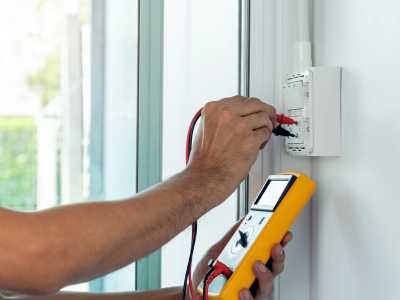
- Use Proper Tools: Employ diagnostic tools such as multimeters to accurately test electrical circuits.
Following these protocols preserves safety and ensures dependable repairs. For related HVAC electrical concerns, heating repair and installation professionals can provide comprehensive support.
Which Troubleshooting Techniques Help Detect Electrical Faults Safely?
Effective and safe fault detection includes:
- Using a multimeter to measure voltage, continuity, and resistance within circuits.
- Conducting visual inspections of wiring for physical damage or deterioration.
- Testing circuit breakers for proper function to identify overloads or faults.
These methods collectively enable efficient identification and resolution of electrical problems.
How Do Commercial Electrical Safety Standards Affect Repair Practices?
Commercial electrical safety standards critically influence how repairs are conducted. Compliance ensures electricians:
- Follow safe work protocols to protect workers and clients.
- Adhere to local and national electrical codes during repairs and installations.
- Use high-quality materials and components specified for commercial applications.
Observing these standards enhances facility safety, protects employees and customers, and extends electrical system lifespan.
| Electrical Component | Safety Code | Compliance Requirement |
|---|---|---|
| Wiring Systems | NEC | Must meet local electrical codes and standards |
| Circuit Breakers | NFPA | Rated appropriately for electrical load capacity |
| Electrical Panels | OSHA | Provide safe access and proper labeling for safety and maintenance |
Frequently Asked Questions
What should I consider before hiring a licensed electrician?
Before hiring a licensed electrician, consider their level of experience, client references, and availability. Assess whether their expertise aligns with your specific electrical project scope. Obtaining multiple quotes can help you understand market rates. Ensure the electrician is knowledgeable about local codes and regulations, as these can vary. A professional electrician should also provide a detailed written estimate, outlining the scope, materials, and timeline to assist in your decision-making process.
Are there specific electrical certifications to look for?
Yes, besides state-issued licenses, look for specialized certifications such as those from the National Institute for Certification in Engineering Technologies (NICET) or credentials related to energy-efficient systems. These certifications demonstrate the electrician's commitment to ongoing education and adherence to elevated safety and performance standards. They also suggest advanced knowledge of modern technologies and methods, beneficial for upgrades and new installations.
Can I perform electrical work myself, or should I always hire a professional?
While minor electrical tasks like changing light fixtures may be manageable for experienced homeowners, it is generally safest to hire licensed professionals for all significant electrical work. Licensed electricians possess the necessary skills to manage complex systems and adhere to detailed safety standards, reducing risks of fires, shocks, and code violations. When uncertain, consulting a licensed electrician ensures that all work is completed safe and compliant.
What types of insurance should I check for in an electrician?
Confirm that the electrician carries general liability insurance, which protects you in case of property damage during their work. Also, check for workers’ compensation insurance to cover any potential employee injuries occurring onsite. Adequate insurance reflects professionalism and a commitment to maintaining safety responsibilities toward clients and workers.
What are some common warning signs of electrical issues in my home?
Be vigilant for indicators of electrical problems, including flickering or dimming lights, warm or discolored outlets, frequent tripping of circuit breakers, burning odors, or crackling sounds from outlets or devices. Should any of these signs occur, promptly consult a licensed electrician to diagnose and resolve the problems before they escalate into serious hazards such as electrical fires or injuries.
How can routine maintenance benefit my electrical systems?
Regular maintenance, including scheduled inspections and prompt repairs, greatly enhances the safety, efficiency, and lifespan of electrical systems. It allows early detection of emerging issues, ensures ongoing compliance with electrical codes, reduces energy waste, and mitigates expensive future repairs. Proactive maintenance protects your property and provides peace of mind.
Protect Your Property with a Professional Electrical Safety Inspection
Don't wait until an electrical problem arises. Ensure your home or business meets all safety standards by scheduling a thorough electrical safety inspection with a licensed electrician today.
About the Author
Lewis Engle is a seasoned professional with extensive expertise in heating, air conditioning, electrical, and plumbing services. As the founder of Engle Services, Lewis is committed to delivering safe, reliable, and efficient solutions for residential and commercial clients. With years of practical experience and a strong focus on industry safety standards, he aims to educate the community about best practices in electrical and HVAC systems maintenance and safety. Lewis’s dedication to quality workmanship and customer satisfaction has made him a trusted source for expert advice and professional service.
Engle Services offers comprehensive electrical services in Birmingham, Shelby County (Hoover, Chelsea), Sylacauga, Talladega, Alabaster, Pell City, Dadeville, Wetumpka, Montgomery
 Ready to schedule with our team of HVAC Technicians, Electricians, and Plumbers?
Schedule an appointment online or give us a call at (855) GET-ENGLE
Ready to schedule with our team of HVAC Technicians, Electricians, and Plumbers?
Schedule an appointment online or give us a call at (855) GET-ENGLE